
CONCRETE PRESSURE GROUTING
Confirma™ is a leader in pressure grouting using a broad range of systems, such as cementitious, resinous, and solution chemical mixtures. We utilise advanced equipment, materials and grouting techniques to provide effective solutions for geotechnical engineering challenges, offering a minimally disruptive method to enhance ground conditions and ensure the longevity of existing structures.
What is Pressure Grouting?
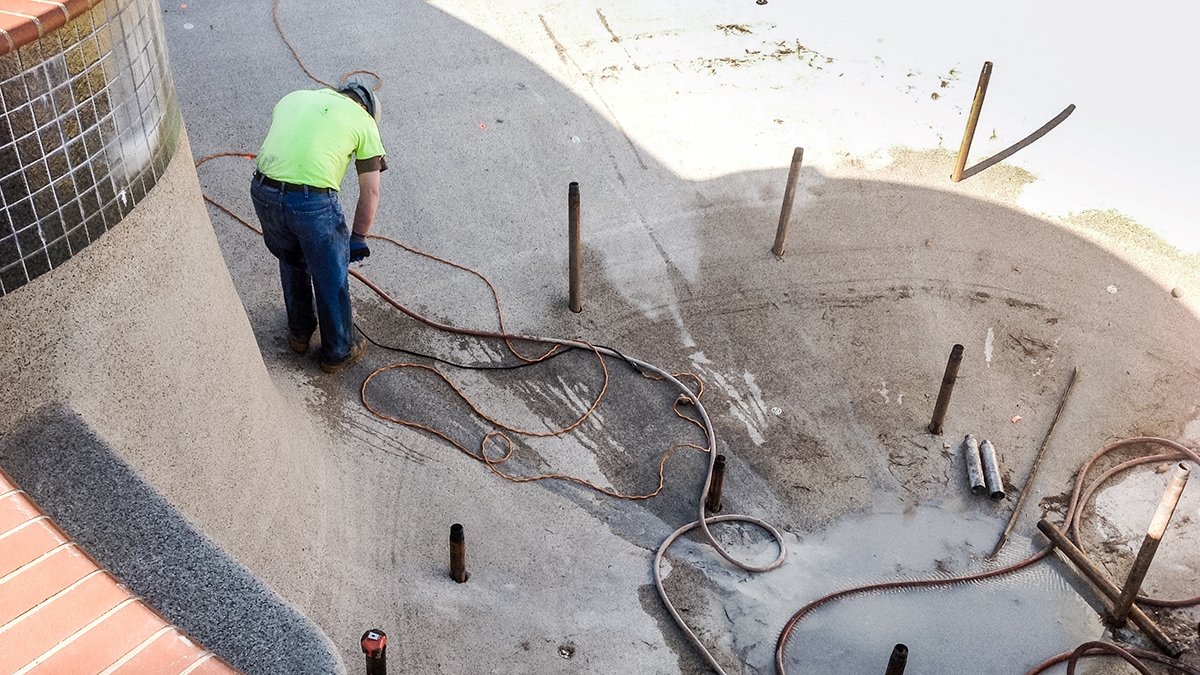
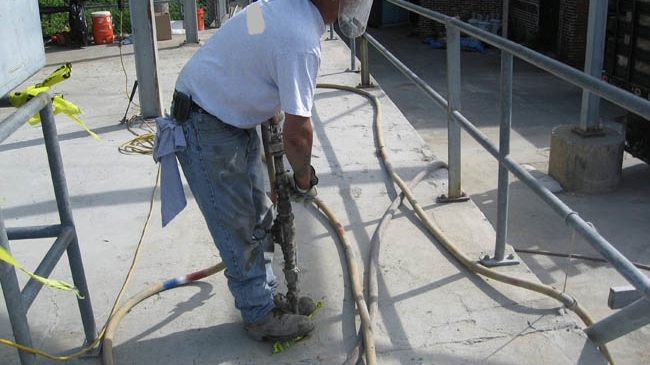
Pressure grouting is the process of injecting specialised materials into otherwise inaccessible but interconnected pore or void spaces. This technique involves the high-pressure injection of a grout material – ranging from cement grout to advanced chemical grouts – which flows, gels, or hardens to fill voids, stabilise soils, and create a strengthened or impermeable grouted mass.
The grout is injected under pressure at strategic locations to repair and strengthen soil, rock, and concrete structures. It is a readily adaptable process used to improve structural connections, stop water flow, and enhance the ground’s load-bearing capacity.
Why is Grouting Essential?
When soil conditions are poor or existing structures show signs of instability, grouting is often the key to restoration and repair. It is a crucial technique for:
-
Soil Stabilisation: Improving the density, stiffness, and stability of weak or loose soils.
-
Preventing Settlement: Underpinning foundations to halt or prevent settlement that can damage a structure.
-
Waterproofing: Controlling groundwater flow and stopping water ingress in tunnels, basements, dams, and concrete structures.
-
Strengthening: Enhancing the load-bearing capacity of the ground to support existing foundations or new construction.
Our Pressure Grouting Methods & Techniques
Confirma™ selects the optimal grouting method based on the specific ground conditions, soil types, and project goals to ensure optimal results.
Compaction Grouting:
This method is designed to improve soil stability in loose soils and is ideal for treating settlements under existing foundations. A very stiff, low-mobility grout is injected at high-pressure to create bulbs of grouted material. This displaces and densifies the surrounding soil through compaction, significantly increasing its load-bearing capacity and preventing settlement.
Jet Grouting:
Jet grouting is a versatile, high-pressure grouting technique that uses a high-velocity jet of grout (often combined with air and water) to erode, mix, and replace the in-situ soil. This process creates “soil-cement” columns or panels (a grouted mass) with known engineering properties. It is used across a wide variety of soil types to underpin foundations, provide excavation support, or create groundwater cut-off barriers.
Permeation Grouting:
Permeation grouting involves injecting low-viscosity grout materials (like microfine cement or chemical grouts) into the soils at controlled grout pressures. The grout fills the pore spaces between soil particles without disturbing the soil structure. This process is ideal for creating barriers to reduce water flow, achieve reduced permeability, or bind granular soils together for increased strength.
Cement Grouting (Cementitious Grouting):
As the most traditional method, cement grouting involves the injection of a cement-based grout material. It is an especially cost-effective method of filling voids of undetermined volumes to provide structure and stability to otherwise unstable ground and structures. It is also extremely effective at stemming or stopping water flow.
Chemical Grouting:
Chemical grouting uses reactive solutions, such as polyurethane grout, that are injected into the ground or cracks. These chemical grouts react to form a solid, flexible, or foam-like mass. This technique is an extremely effective solution for sealing cracks in concrete, stopping high-flow water ingress (even under hydrostatic pressure), and stabilising very fine granular soils where cement grouting would be ineffective.
Common Applications for Pressure Grouting
Soil Stabilisation & Ground Improvement:
We use pressure grouting to improve poor ground conditions. This geotechnical engineering solution can stabilise soils and enhance the load-bearing capacity of the ground to support new construction or existing structures.
Waterproofing & Sealing Cracks:
Similar to our curtain injection service, our chemical grouting and permeation grouting solutions are highly effective for waterproofing. We can stop active leaks and reduce water flow into basements, tunnels, dams, and below-grade concrete structures by sealing fissures and creating impermeable barriers within the soil or concrete structure itself.
Underpin Foundations & Settlement Repair:
Grouting is a primary method used to underpin foundations and repair damage from settlement. By injecting grout beneath existing foundations, we can fill voids, densify the underlying soil, and in some cases, lift the structure back to level, preventing settlement from causing further damage.
Void Filling (Concrete Pressure Grouting): :
Over time, voids can form under concrete slabs or behind retaining walls due to soil erosion or compaction. Concrete pressure grouting is used to fill voids, re-establish support, and stabilise the structure, often with minimal disruption to normal facility operations.
Excavation Support & Tunnels:
For deep excavations and tunnels, pressure grouting is essential. It is used to provide excavation support by creating a stable, strengthened zone of soil or rock around the perimeter. It also provides critical waterproofing, controlling groundwater flow and water ingress to ensure a safe working environment.
The Confirma Grouting Process
1. On-Site Assessment
Every project begins with a thorough analysis of the structure and site conditions. We review existing geotechnical reports to understand the soil types and ground conditions. Our team conducts site inspections to locate voids or cracks and determines the practical requirements for the remediation, whether addressing water ingress or soil stability issues.
2. Solution Design
Based on the assessment, we develop a tailored methodology. We work in conjunction with the project’s geotechnical engineering consultants to verify the technical approach. We select the optimal grouting methods, the correct grout material (e.g., cement, polyurethane grout, or other chemical grouts), and map out the strategic locations for injection to meet the design specifications.
3. Precision Injection
Our experienced technicians ensure the grouting process is carried out with precision. The grout is injected at the optimal pressure level with the correct grout volumes. We monitor the injection pressure and flow in real-time to ensure the grout fills the target zones and achieves the required compaction or permeation as specified.
4. Validation and Reporting
Upon completion, we assist in validating the results to ensure optimal results have been achieved. We provide comprehensive Quality Assurance (QA) data that allows engineers to verify reduced permeability or confirm increased strength and stability, providing you with a complete report and peace of mind.

Choose Confirma™: Leading Concrete Repair Specialists
Concrete Cancer
Basement Leak
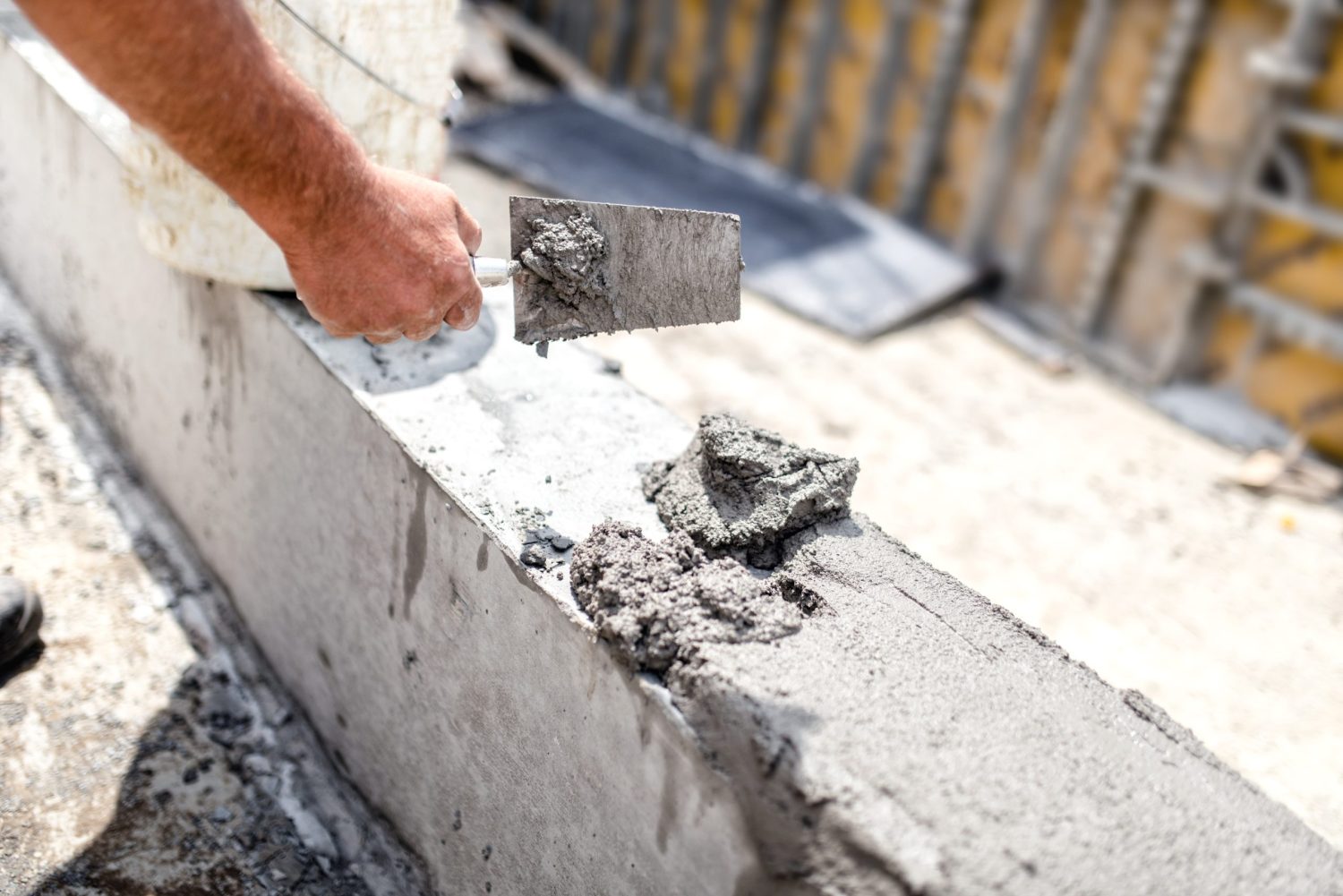
Concrete Beam
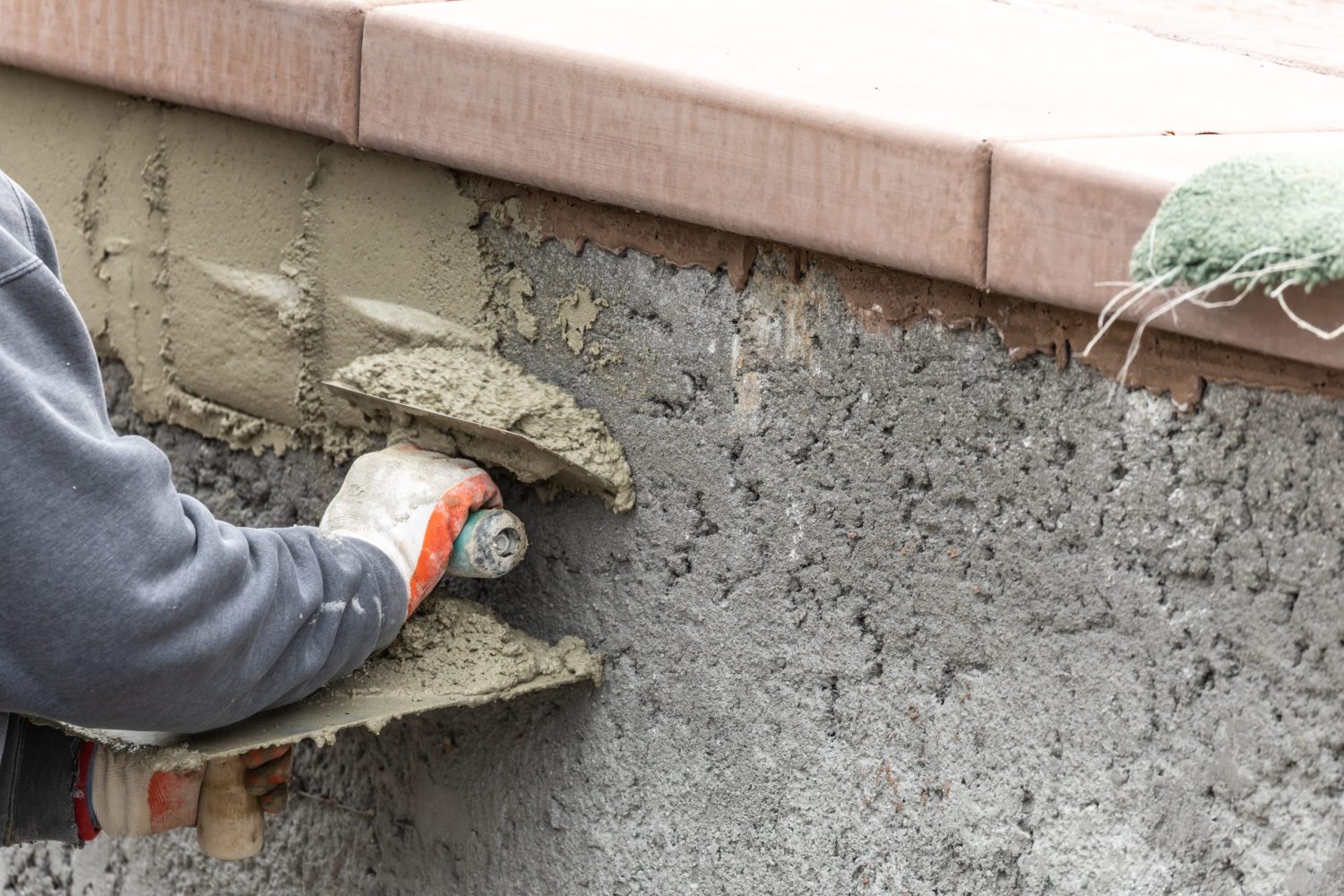
Concrete Foundation
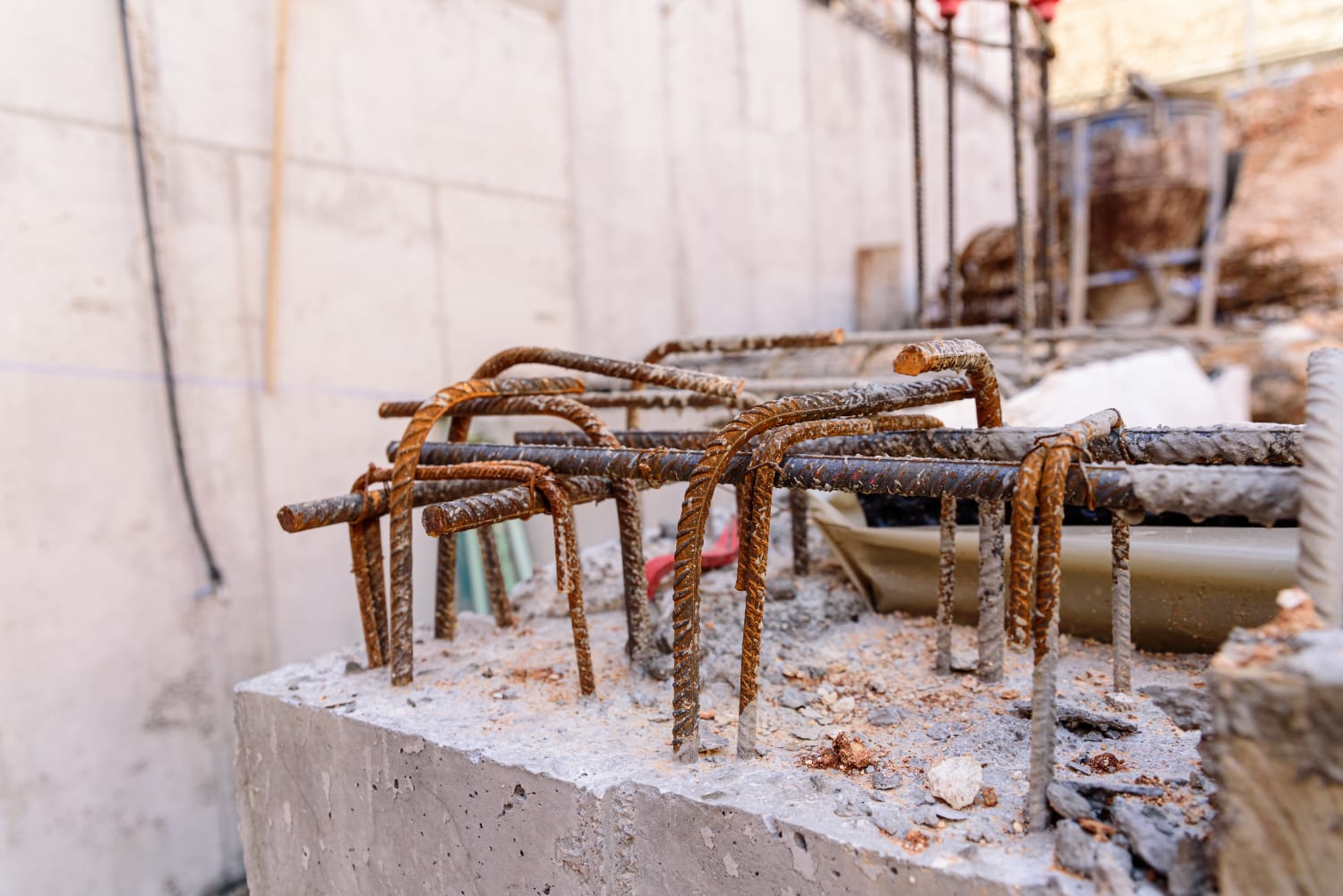
Structural Strengthening
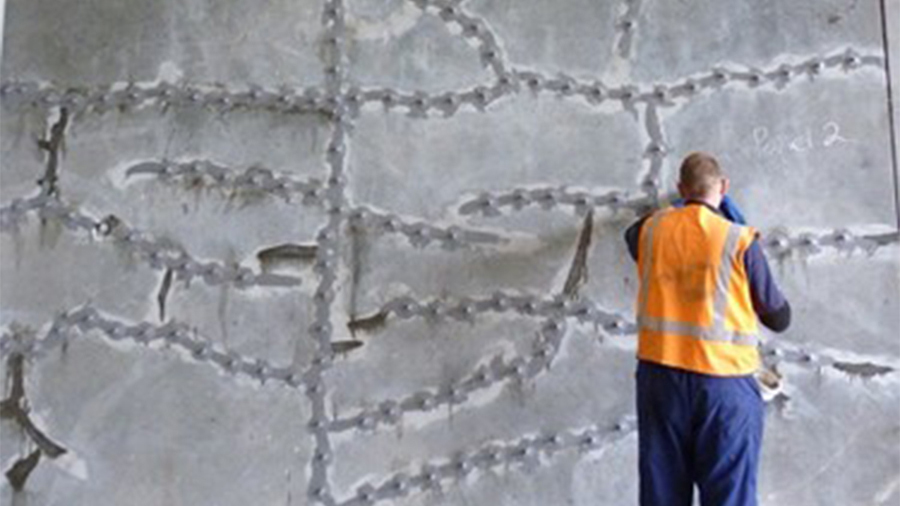
Structural Injection
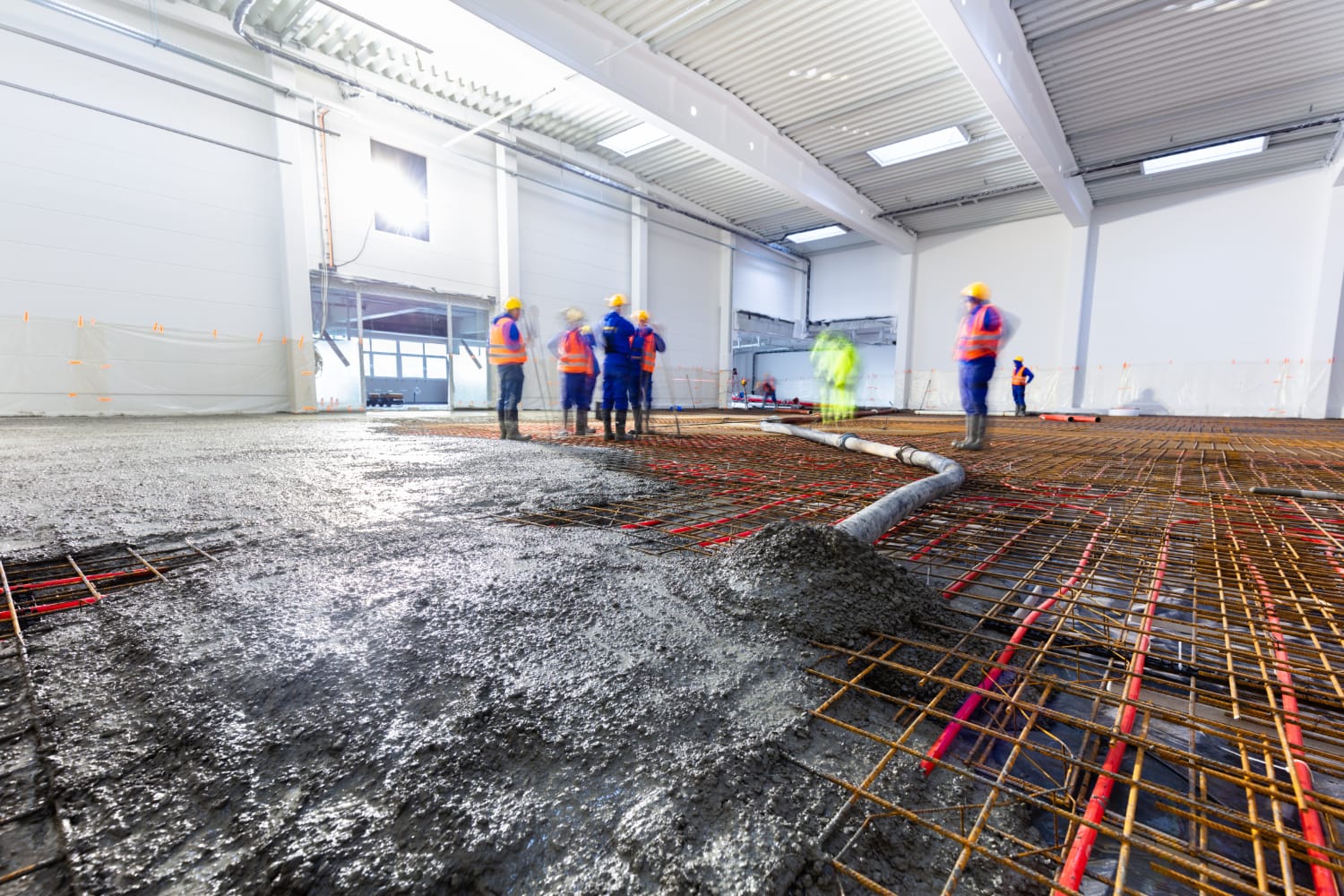
Industrial Concrete Repairs
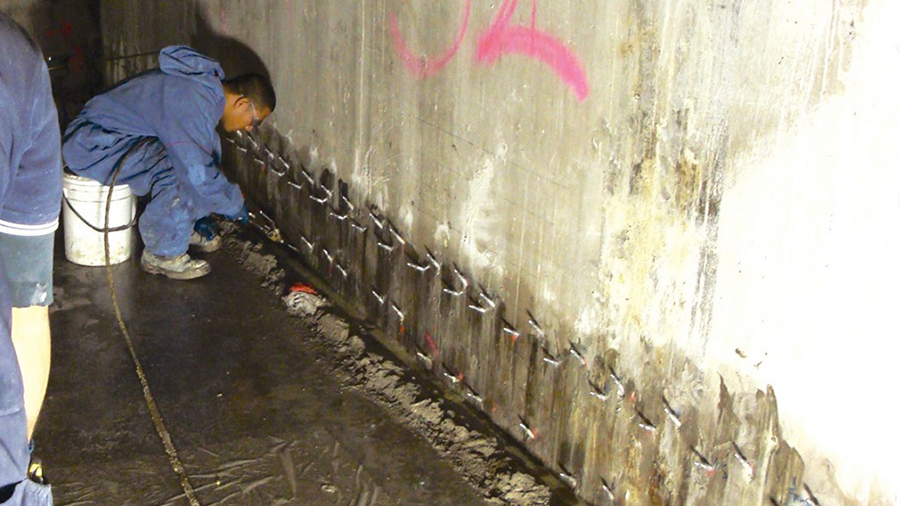
Water Stop Injection
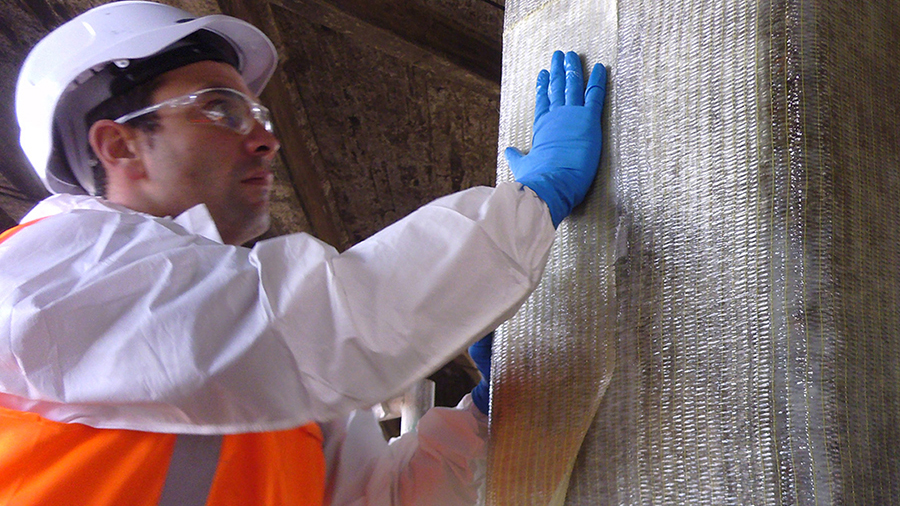
FRP Composite Strengthening
Concrete Pressure Grouting FAQs
How disruptive is the pressure grouting process?
One of the main benefits of most grouting techniques is that they are minimally disruptive. Unlike large-scale excavation, the grout is injected through small-diameter holes drilled in strategic locations. This allows us to repair and stabilise soil or structures with minimal impact, often allowing for normal facility operations to continue.
How do you choose the right grout material?
The choice of grout material is critical and depends entirely on the soil conditions and the project goal. For filling voids in rock or large cavities, a cement grout is often the most cost-effective solution. For sealing cracks against water flow in concrete, a flexible polyurethane grout is superior. For ground improvement in granular soils, we might use permeation grouting with a microfine cement or other chemical grouts.
Can grouting fix my sinking foundation?
Yes, grouting is a primary method to address settlement. Using compaction grouting, we can densify the loose soils under your foundation to halt further movement. In some cases, this process can also be used to underpin foundations and carefully lift the settled portion of the structure, correcting the issue without a full excavation and replacement. It is a highly effective solution for preventing settlement.
Contact us for more information so our highly trained and experienced team can work together with you on your project.