
SCOUR PROTECTION & EROSION SOLUTIONS
Confirma™ is the market leader in earth retention, reinstatement and erosion protection. Our practical experience, coupled with the materials, systems and equipment we use, has given us a proven track record of providing permanent treatments to these issues.
Rock Scour Protection
Scouring is the removal of ground and supporting material adjacent to wave or tidal action (seawalls, breakwaters and the like). It can occur along coastlines and around offshore structures such as wind turbine foundations.
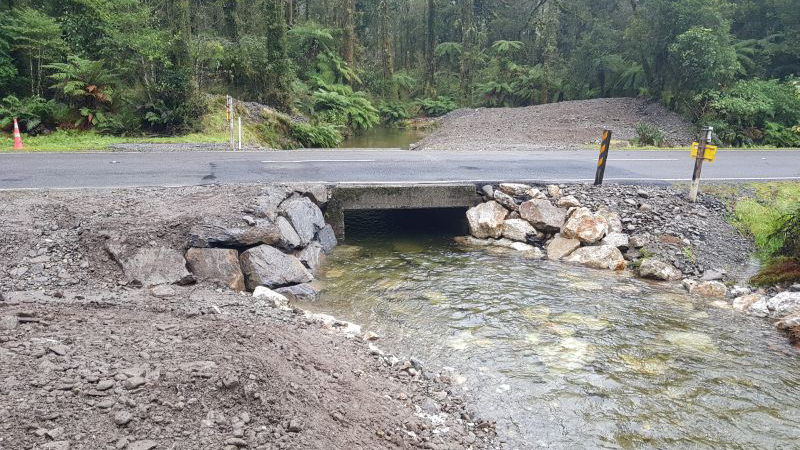
Scouring is also common around bridge and culvert structures where there is poor erosion protection, or the protective measures sustain damage or are completely overwhelmed during flood events. We are also experienced in bridge jacking and bearing replacement should this work be required.
Scouring can often undermine and compromise structural integrity. So, what is scour protection and what scour protection methods are available?
Traditional, relatively low-cost interventions include using rip rap and geotextile, gabion or rock wall structures.
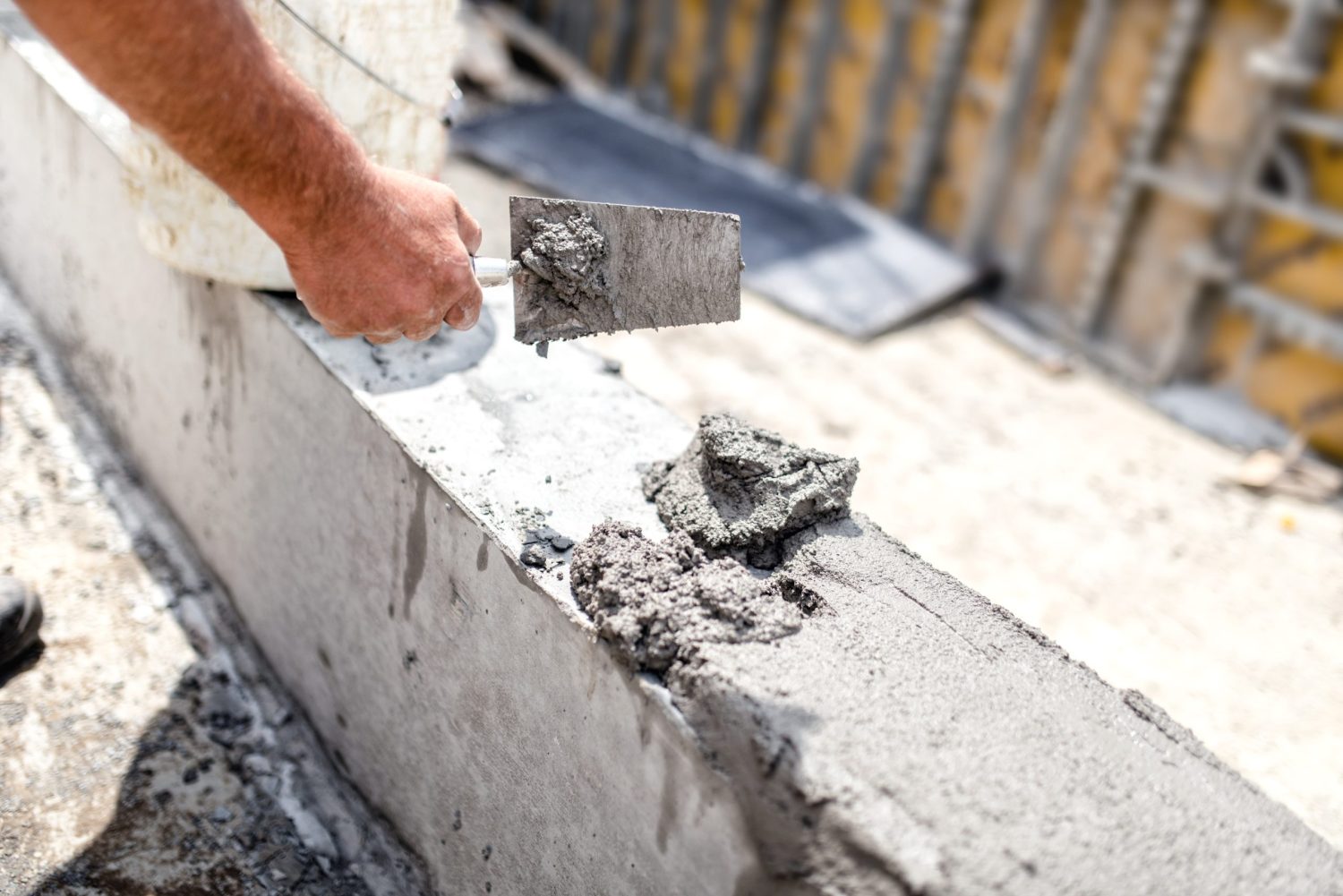
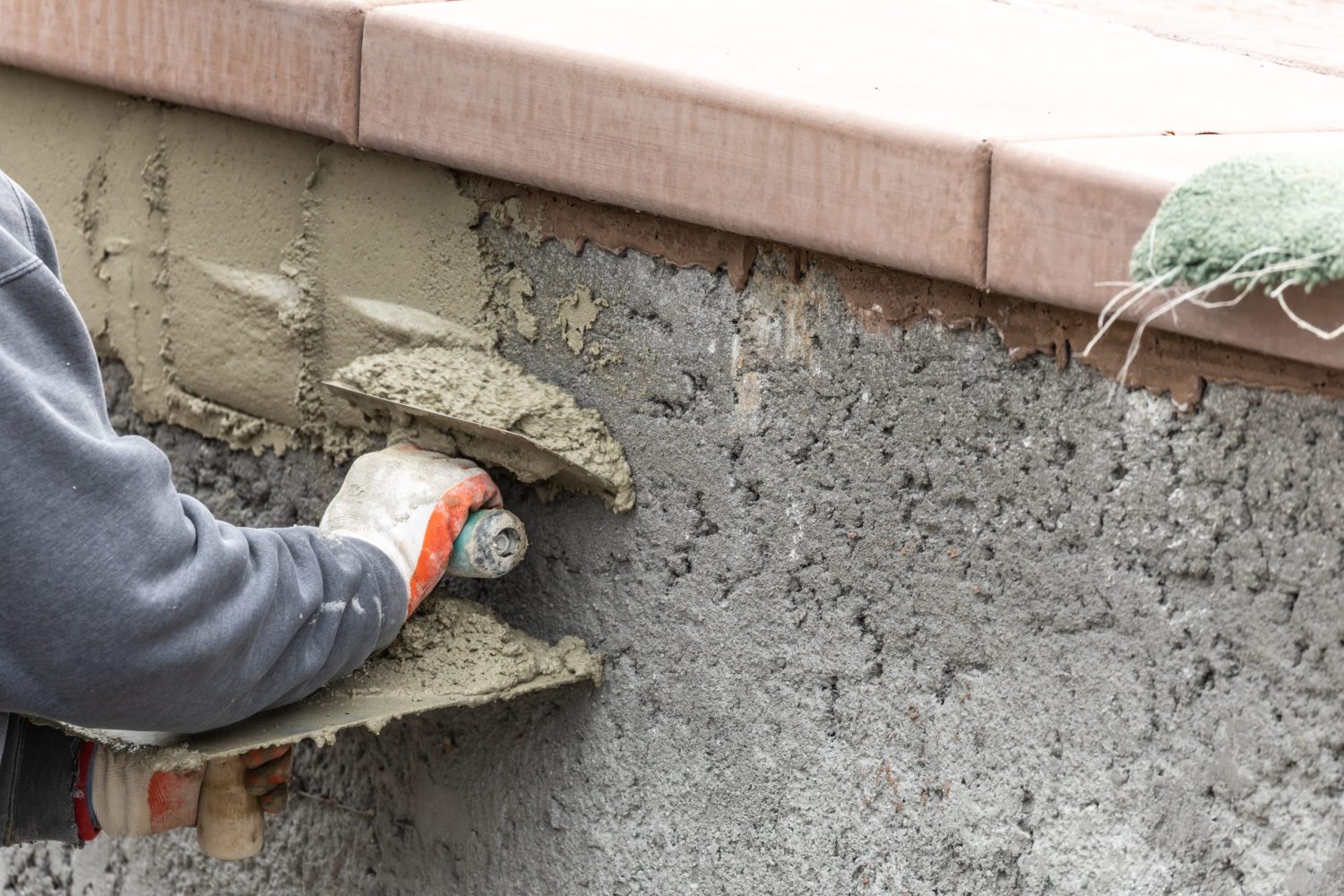
Underpinning and shotcrete are also effective methods for varying situations. Confirma™ is equipped to provide all the scour protection and erosion control Australia needs.
What Causes Water Erosion?
Water erosion is driven by the movement of strong currents, waves, tides and storm surge. In marine and riverine environments, existing coastal landforms and seabed conditions influence how flow patterns interact with built assets. Offshore structures like offshore wind turbines and port facilities are also exposed to continuous hydrodynamic forces that shape sediment transport.
When the protective layer of soil, sediment or rock is displaced, scour holes form, increasing depth and weakening the foundation over time.
Signs of Scour Damage
Scour Holes
Visible or sonar-detected depressions forming near footings, piers or embankments can indicate progressive scour and soil removal.
Increased Scour Depth
Deepening voids around structural bases, especially following high-flow events, may signal advancing loss of stability and require immediate maintenance or intervention.
Our Water Erosion Control & Protection Solutions
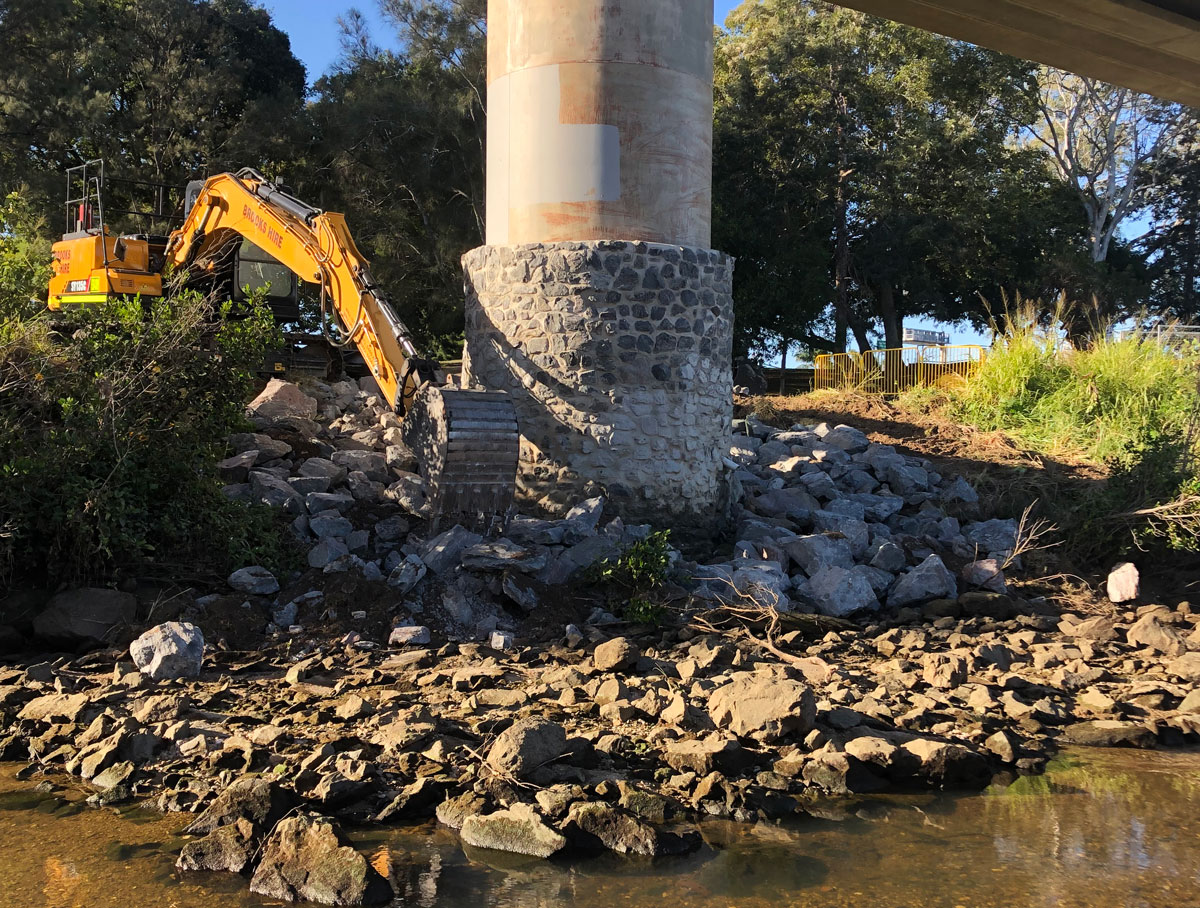
Rip Rap Scour Protection:
Strategically placed graded stone layers disperse energy from moving water, reduce erosion and maintain long-term protection around embankments and structural bases.
Geotextiles & Sand Containers:
Geotextile sand containers and engineered fabric layers assist in soil stabilisation, preventing sediment transport while offering an ecologically sound and extremely efficient solution.
Gabions & Rock Walls:
Interlocked rock cages and rock walls provide a stable armour layer that absorbs hydrodynamic forces, protects structures and supports natural shoreline recovery.
Underpinning & Shotcrete:
Where erosion has already compromised foundations, underpinning, and shotcrete restoration, restore structural integrity and prevent future movement or removal of foundational material.
Types of Hydraulic Structures Prone to Water Flow Damage
Many hydraulic structures across Australia are at risk of this environmental impact and progressive erosion over time. Proper protective measures and remediation is crucial, especially when the affected structures are part of critical infrastructure or valuable business assets.
Bridges & Piers
Bridge piers are exposed to continuous water currents and changes in flow patterns, potentially leading to soil removal and scour holes around the base. Over time, this reduces stability and can threaten the bridge’s structural integrity.
Implementing bridge scour protection using rip rap, rock armour, or geotextile sand containers helps control sediment transport, maintain foundation support and protect essential infrastructure from ongoing erosion.
Culverts
Culverts experience concentrated flows that accelerate water erosion at their inlets and outlets, particularly during flooding rains. If unmanaged, this can deepen scour depth, undermine embankments and cause the culvert to shift or fail.
Culvert scour protection often involves stabilising surrounding soil, reinforcing channels with rock walls or gabions, and installing erosion control layers that improve long-term durability while maintaining efficient stormwater flow.
Monopiles
Structures like offshore wind farms and river-based buildings rely on monopile and jacket foundation structures anchored into the river or sea floor, where they are exposed to waves, tidal cycles and shifting sediment. These forces can create scour holes that weaken foundation support over time.
Monopile scour protection uses systems such as armour stone, engineered mats or geotextile sand containers to stabilise the surrounding area, reduce environmental impact and maintain water quality while supporting reliable performance.
Choose Confirma™: Leading Concrete Repair Specialists
Concrete Cancer
Basement Leak
Concrete Beam
Concrete Foundation
Structural Strengthening
Structural Injection
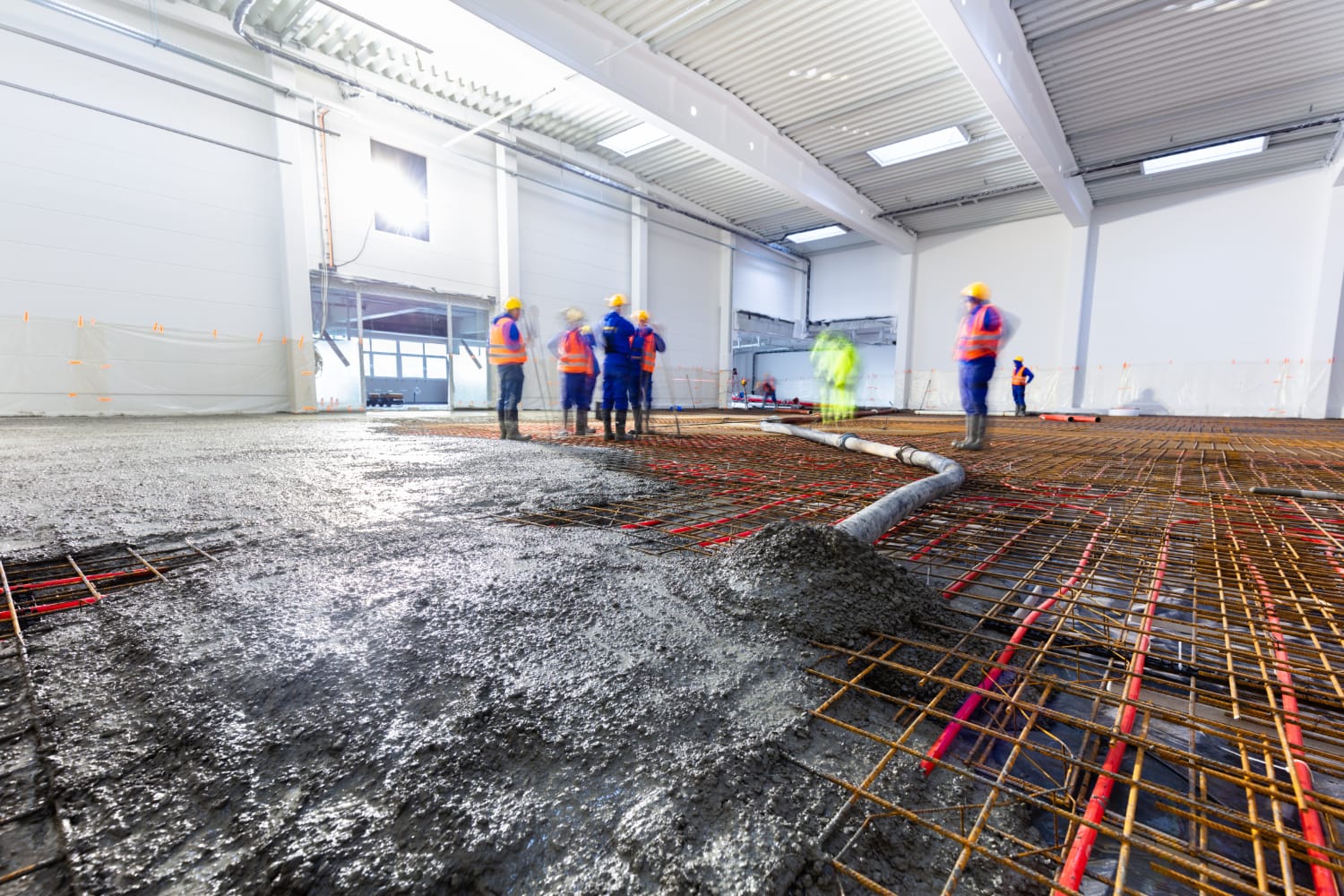
Industrial Concrete Repairs
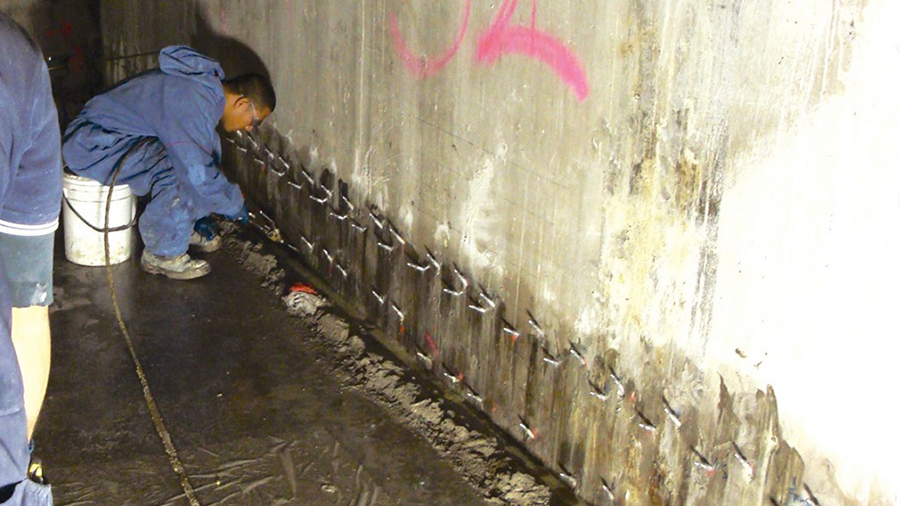
Water Stop Injection
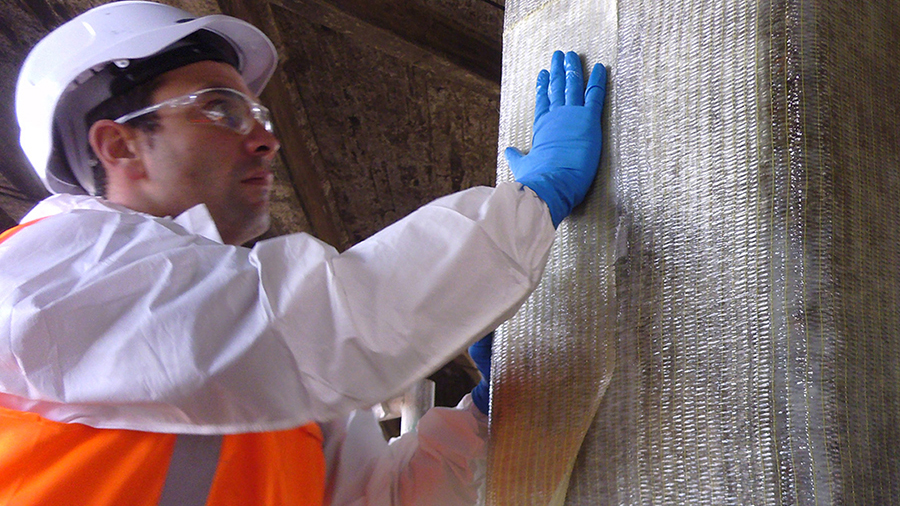
FRP Composite Strengthening
Scour Protection FAQs
What are the principles of scour protection design and construction?
How does scour protection support natural habitats?
Contact us for more information so our highly trained and experienced team can work together with you on your project.